
Common Appliance Problems in Wellesley Homes
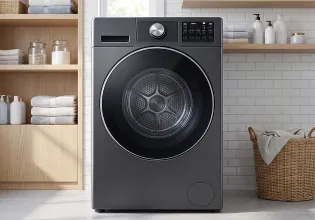
A dryer takes ninety minutes to finish a load that used to take fifty. In a Wellesley Hills colonial where the laundry sits in the basement and the vent runs twelve feet through an exterior wall, that kind of slowdown usually points to a restricted exhaust path or a failing heating element — not just a lint screen that needs cleaning. Older single-family homes across town present similar quirks: appliances that worked fine for years start misbehaving because the house itself has changed around them.
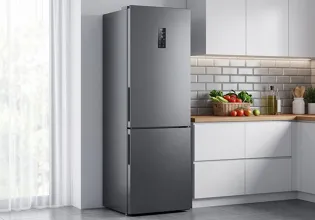
- Refrigerators that stop cooling often have condenser coils caked with dust, especially in kitchens where the unit is boxed tightly between cabinetry with little airflow behind it.
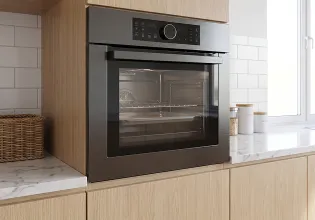
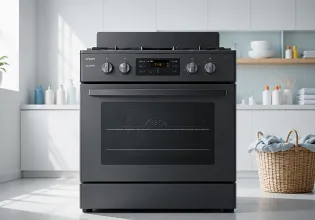
- Gas stoves and ovens that heat unevenly or won't ignite — we usually see this when the igniter has weakened over time, though in older homes it can also trace back to a partially closed gas valve that nobody has touched in years.
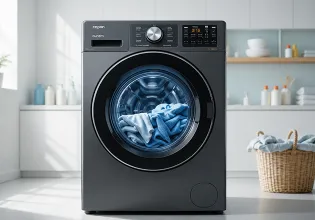
- Washers leaking onto a basement floor. Worth checking the supply hoses first; rubber hoses in homes built decades ago are often original and brittle.
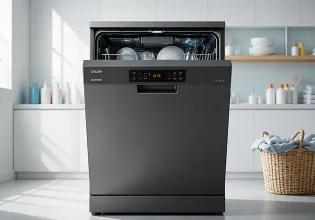
- Dishwashers that leave dishes cloudy or fail to drain completely. A clogged filter or a kinked drain hose under the counter is the most common fix.
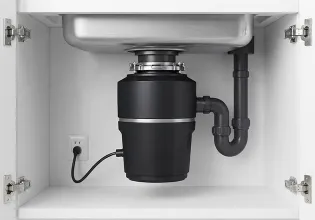
- Garbage disposals that jam or hum without spinning — often just a stuck flywheel, but sometimes the motor itself has burned out.
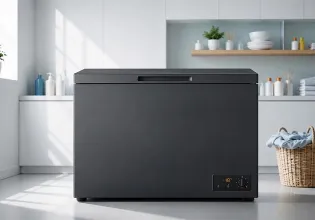
- Freezers building up heavy frost on the back wall, which usually means the defrost heater or defrost thermostat has failed.
Local Utility, Permit, Safety, and Disposal Factors in Wellesley
If you need to replace a gas stove in Wellesley, the installer has to pull a gas permit through Wellesley Inspectional Services building and trade permits before touching the gas line. That is not optional. Massachusetts requires only licensed gas fitters to perform gas line work under the state's gas fitting regulations under 248 CMR, and the town enforces that locally through its Inspectional Services Department at Town Hall. The same applies to electrical permits for hardwired appliances like electric ranges and dryers, and to plumbing permits for dishwasher or garbage disposal installations. Before you sign off on any installation quote, ask the contractor whether they will be pulling the permit themselves — if they hesitate, that is a red flag.
Plumbing connections in Wellesley also fall under the Massachusetts State Plumbing Code 248 CMR, which means a licensed plumber must handle washer drain hookups, dishwasher supply lines, and disposal replacements. In many older Wellesley homes, the existing drain lines under the kitchen sink are narrow-gauge copper or galvanized pipe that does not match current code. A technician who knows the house can often spot that before it becomes a failed inspection.
Gas appliance safety goes beyond the permit. The Wellesley Fire Department fire prevention and home safety program enforces fire prevention rules that cover gas stoves, ovens, and dryers. Carbon monoxide detectors are required in any Wellesley home with gas appliances under Massachusetts fire code, and the fire department has inspection authority over new gas installations — separate from the building permit. If your CO detectors are more than seven years old, replace them before a new gas appliance goes in. That step is easy to overlook.
Wellesley's tap water comes from the Massachusetts Water Resources Authority water service, sourced from the Quabbin and Wachusett reservoirs. MWRA water is generally soft compared to well water, which is good news for dishwashers and washers — less mineral buildup on heating elements and spray arms. But in homes with older internal plumbing, sediment from aging pipes can still clog inlet screens on washers and refrigerator water lines. If a washer fills slowly or a fridge ice maker trickles, check the inlet valve screen before assuming the valve itself is bad.
Wellesley Inspectional Services
525 Washington Street
Wellesley, MA 02482
Phone: (781) 431-1019
Official Website
What Makes Appliance Repair in Wellesley Different
Wellesley is not a city — it is a town of distinct villages, about thirteen miles west of Boston, where most of the housing stock is older single-family homes built in the late 1800s and early 1900s. That means basements with low ceilings where a full-size washer barely clears the floor joists, kitchens that were designed around a 30-inch range when the homeowner now wants a 36-inch pro-style unit, and electrical panels that were sized for a much smaller load than today's appliances draw. A repair technician working in Wellesley needs to understand how these houses are built, not just how the appliance works.
The town's appointment-based bulky item pickup through the DPW also changes the math on repair versus replacement. You cannot just wheel a dead refrigerator to the curb on trash day — you have to schedule a pickup, and refrigerant-containing appliances require special handling. That wait time and coordination can tip the decision toward repairing an appliance that still has life in it, rather than dealing with the logistics of getting the old one out and a new one permitted and installed.
Appliance Replacement and Household Equipment Considerations in Wellesley
When a repair no longer makes sense — the compressor is shot on a fifteen-year-old refrigerator, or the tub bearing on a washer costs more than half the price of a new machine — the next steps in Wellesley involve more coordination than most homeowners expect. You cannot drop an old appliance at a transfer station or leave it curbside. The Town of Wellesley runs a curbside bulky item collection program by appointment only, managed through the DPW. Appliances with refrigerants, like refrigerators and freezers, need special handling under town disposal rules. Call the DPW to schedule a pickup and ask what preparation is required before collection day — they will tell you exactly how the unit needs to be positioned and whether doors need to be removed.
On the installation side, swapping a gas dryer for an electric one (or vice versa) triggers permit requirements through Inspectional Services. Even a seemingly simple dishwasher replacement can require a plumbing permit if the supply or drain connections are being modified. The practical takeaway: before you order a new appliance, confirm with your installer what permits are needed and whether the existing connections in your home match the new unit. In older Wellesley kitchens, a new dishwasher sometimes does not fit the same opening as the old one — cabinet trim, countertop overhangs, and flooring thickness all vary in houses that have been remodeled more than once.
Massachusetts Consumer Protection Law Chapter 93A also applies to appliance repair and installation work. If a contractor misrepresents the scope of work, charges for parts not installed, or performs unpermitted work, Wellesley residents can file a complaint with the Attorney General's Office. Knowing that protection exists is worth keeping in mind when comparing quotes.
Wellesley Department of Public Works
169 Washington Street
Wellesley, MA 02482
Phone: (781) 235-7600
Official Website
Areas We Serve Throughout Wellesley
Wellesley is organized into named village neighborhoods, and we work across all of them. Each village has its own housing mix and its own quirks when it comes to appliance access and repair.
- Wellesley Hills — Many homes here date to the early twentieth century, with kitchens that have been renovated around original layouts. We often find dishwashers wedged into tight cabinet bays where pulling the unit out for service means disconnecting the countertop brackets first.
- Wellesley Farms — Larger lots and older colonials with basement laundry setups. Dryer vent runs in these homes tend to be long, sometimes routing through multiple turns before reaching an exterior wall. If your dryer is taking too long, the vent path is the first thing to check.
- Wellesley Square — The commercial center of town, with a mix of condos and older homes nearby. Condo owners should confirm with their association whether gas appliance permits need board approval before scheduling installation work through Inspectional Services.
- Wellesley Fells — Predominantly single-family homes, many with original electrical panels that were not sized for modern appliance loads. Worth verifying breaker capacity before installing a new electric range or dryer.
- Babson Park — A mix of housing near Babson College, including some properties with compact kitchens where a standard-depth refrigerator blocks a doorway swing. Measuring clearances before ordering a replacement saves a frustrating delivery day.